Stewardship
Mālama ʻāina — caring for the land
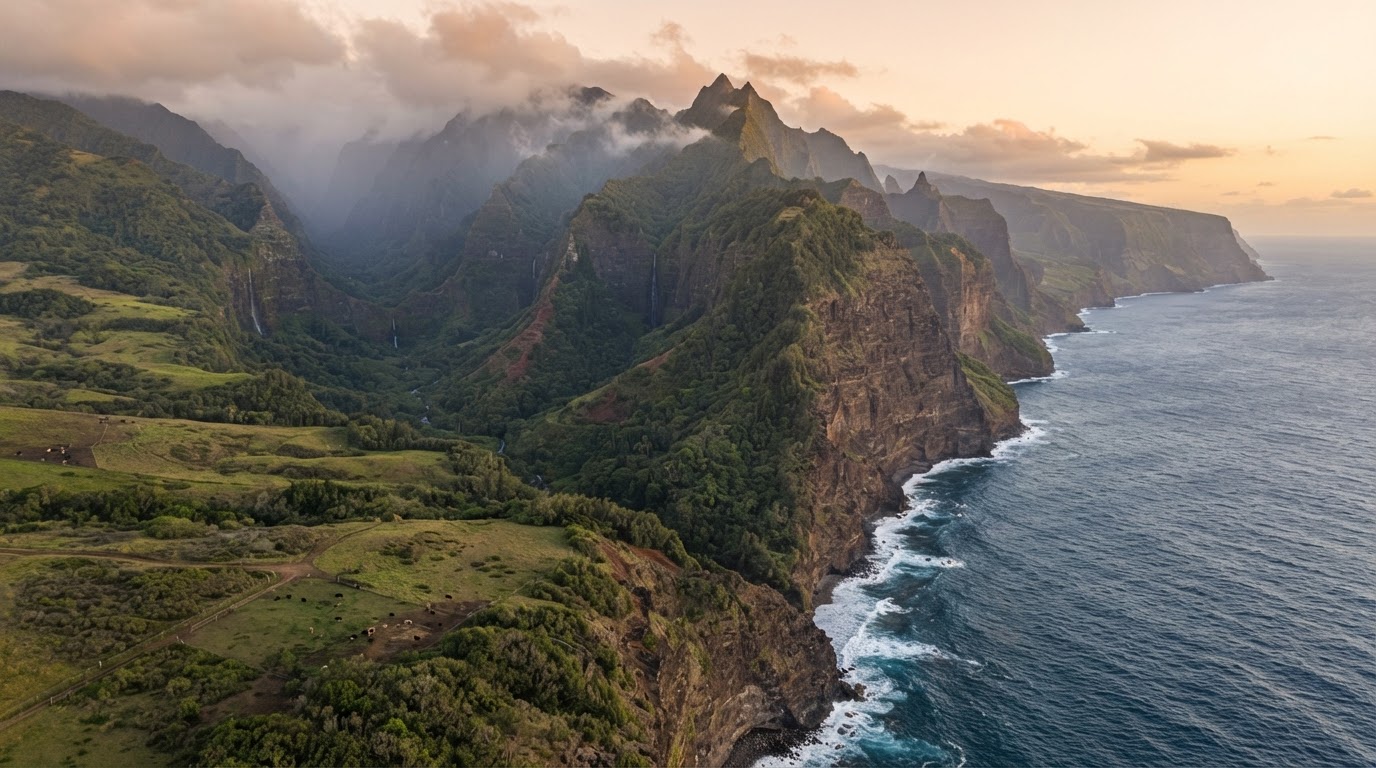
Stewardship is not ownership. It is a relationship of responsibility — to the soil, the water, the forest, and the community that depends on them. These are the seven feature areas where that responsibility is focused.
A proposed long-term community stewardship and acquisition initiative currently under development. No public financial participation program is currently being offered.
Seven Feature Areas
Stewardship across the whole landscape
From ridge to reef, stewardship means caring for every layer of the ʻāina as one connected system. Each area below pairs a short educational explanation with a future project area.
Native Forests
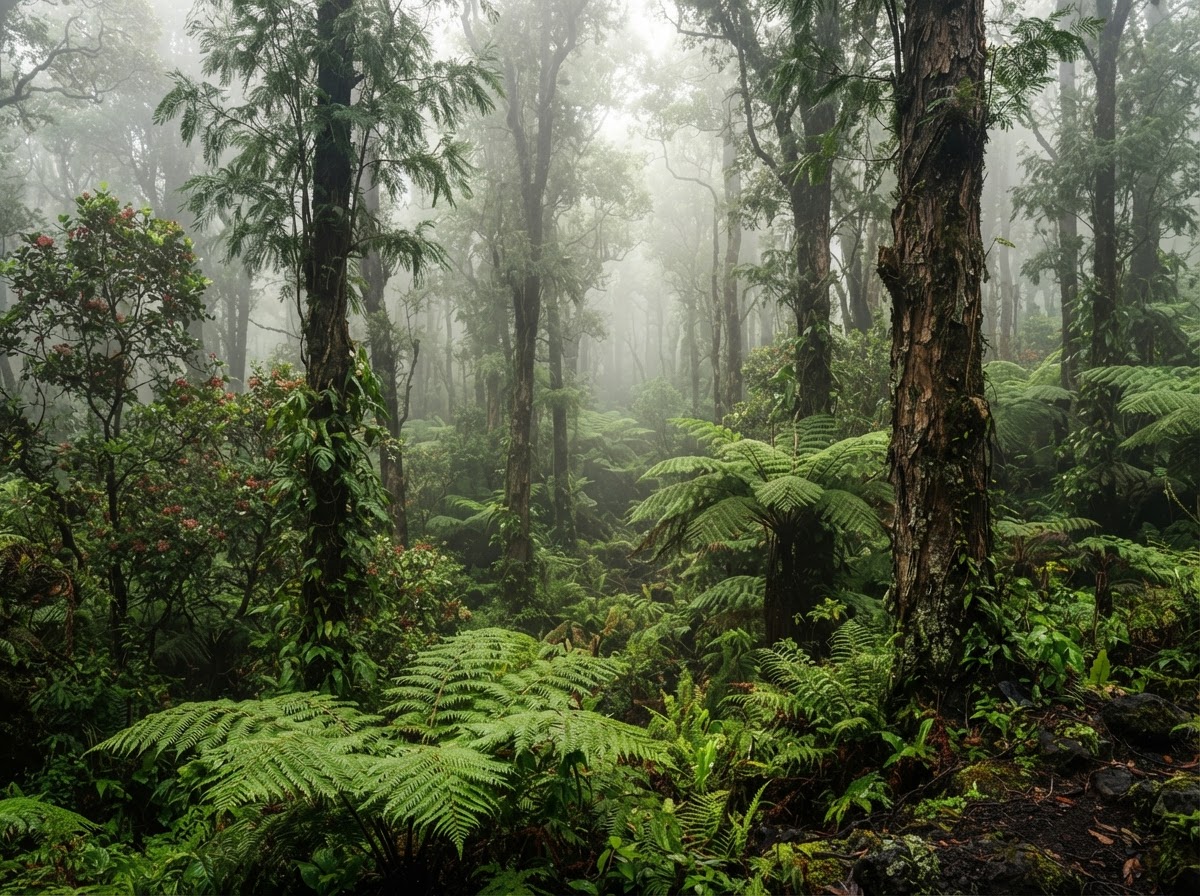
Native forests are the backbone of the island's living systems. Trees like koa and ʻiliahi hold soil on steep slopes, capture moisture from moving air, and shelter native plants and animals found nowhere else. When the forest is healthy, the land beneath it is far more resilient.
Future Project Area
Future project area: native plant nurseries and strategic reforestation of degraded slopes, prioritizing the protection of existing native forest fragments first.
Watersheds
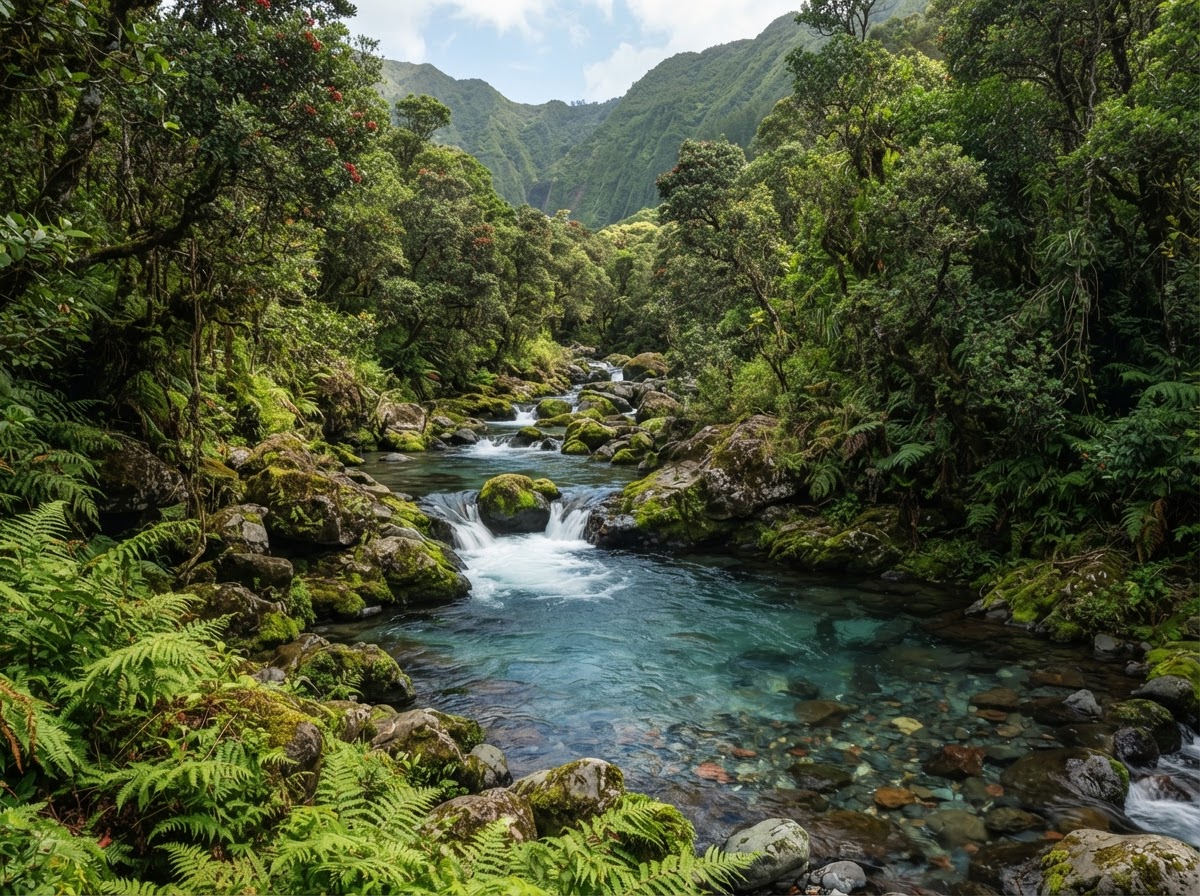
A watershed is the entire slope that catches rainfall and guides it to streams and aquifers. What happens at the top of the ridge determines the quality and quantity of water that reaches communities below. Bare, eroding uplands shed water and sediment; forested uplands absorb and filter it.
Future Project Area
Future project area: upland protection, stream monitoring, and revegetation of eroding slopes to support cleaner runoff and more reliable recharge.
Wildlife
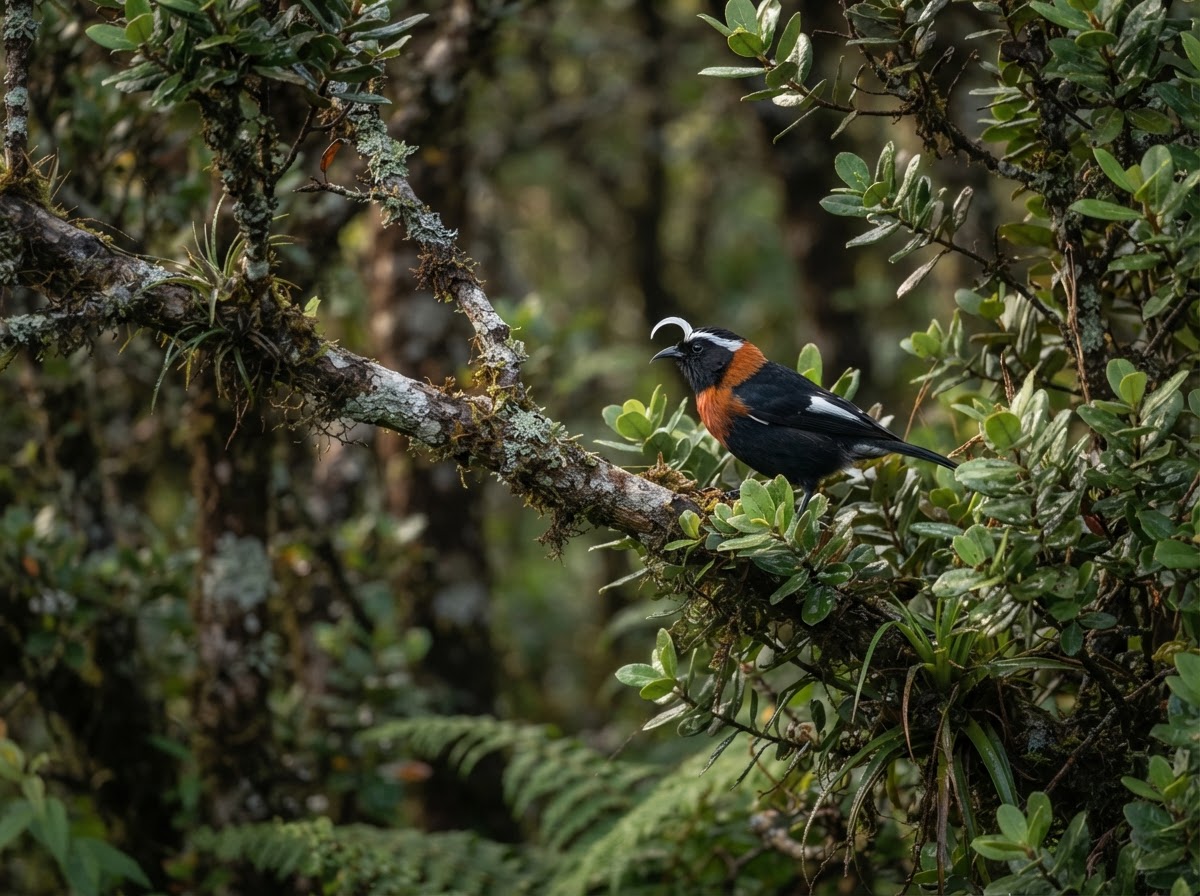
Molokaʻi is home to native birds, insects, and plants that exist nowhere else on earth. Many depend on specific native plants and intact habitat. When forest is lost or invaded by non-native species, these populations lose the conditions they need to survive.
Future Project Area
Future project area: habitat protection and restoration focused on areas most likely to support native species recovery, guided by monitoring and community knowledge.
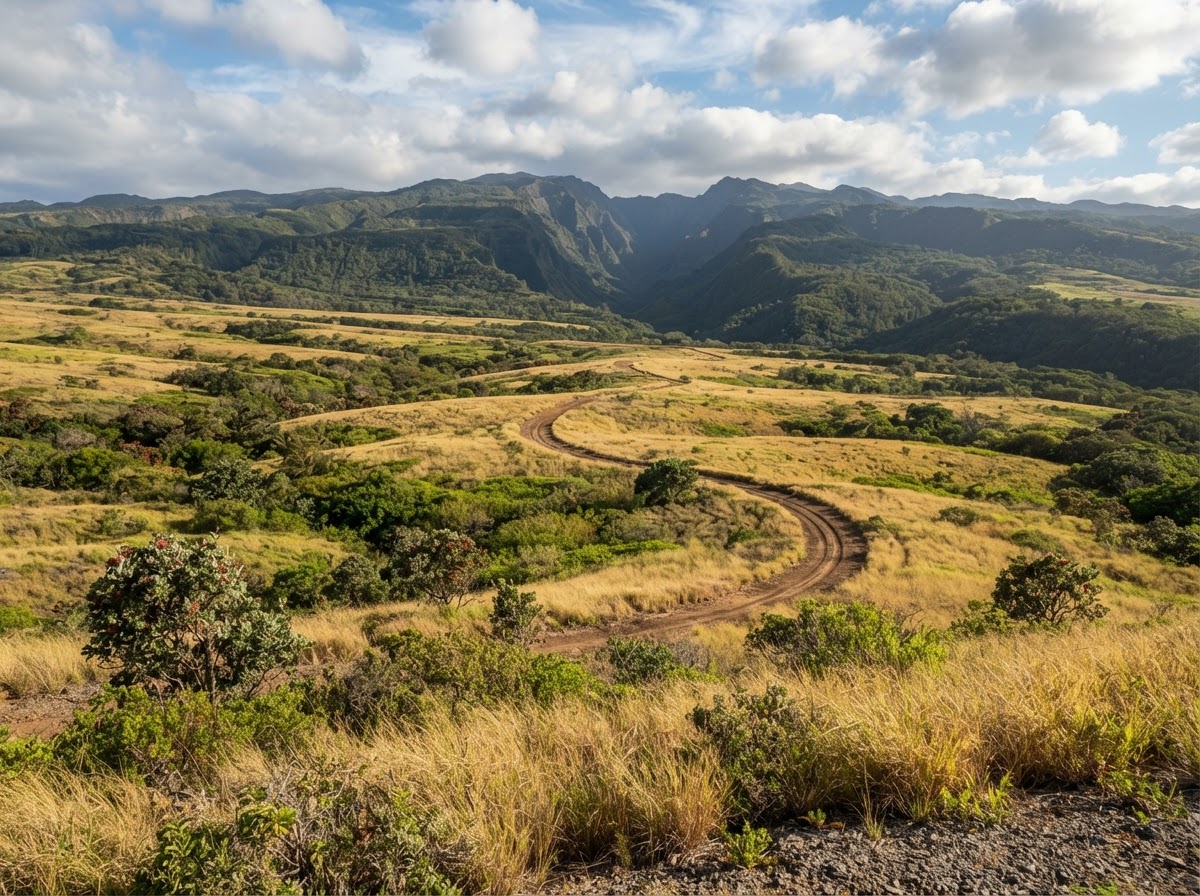
Fire Prevention & Resilience
Fire is a growing risk on dry lowland slopes. Invasive grasses can fuel fast-moving fires that threaten communities, forests, and watersheds. Resilience comes from reducing those fuels, maintaining breaks, and restoring vegetation that is less fire-prone where conditions allow.
Future Project Area
Future project area: fuel-reduction, firebreak maintenance, and restoration of less fire-prone native ground cover on priority dryland slopes.
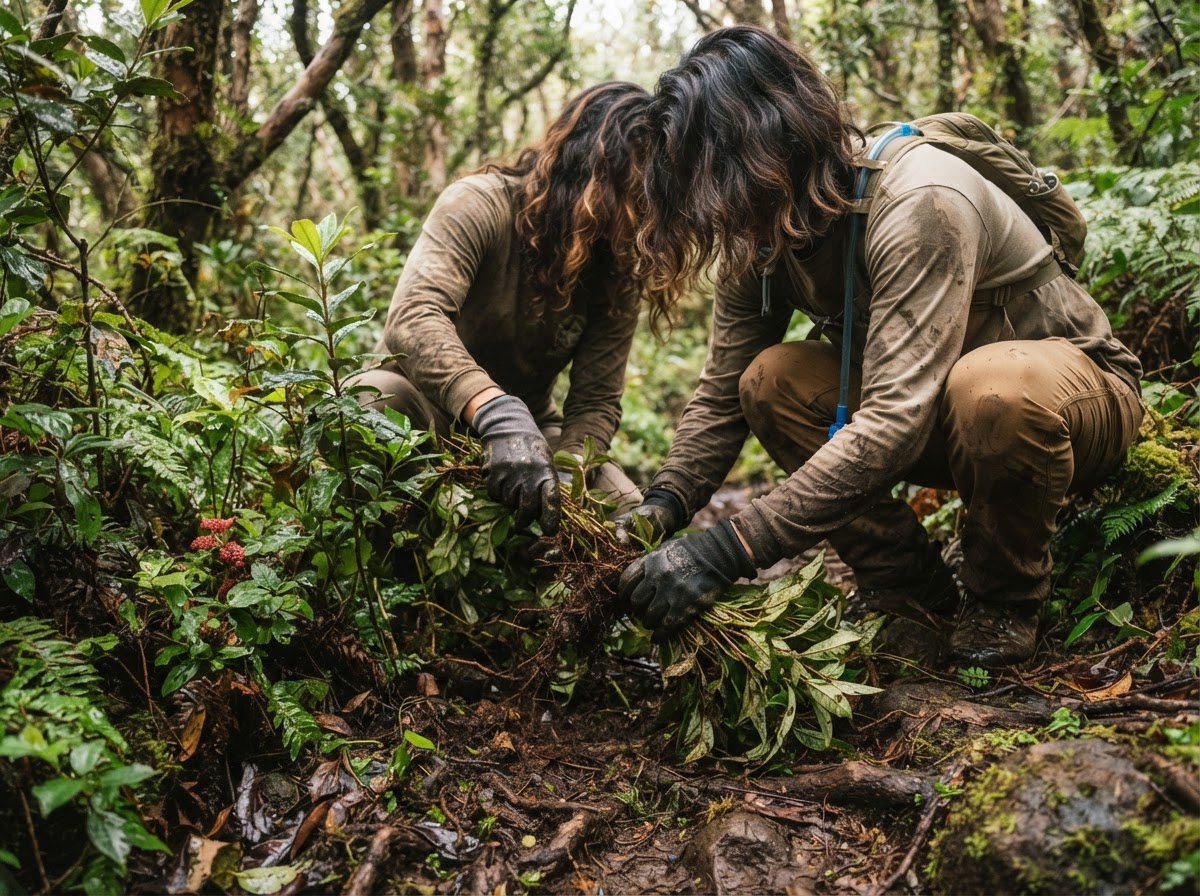
Invasive Species Management
Invasive plants and animals outcompete native species, alter the soil, and change how water moves through the land. Left unmanaged, they can undo decades of restoration. Consistent, prioritized removal gives native ecosystems a chance to recover.
Future Project Area
Future project area: prioritized invasive species control, starting where it protects the most intact native habitat, paired with follow-up monitoring.
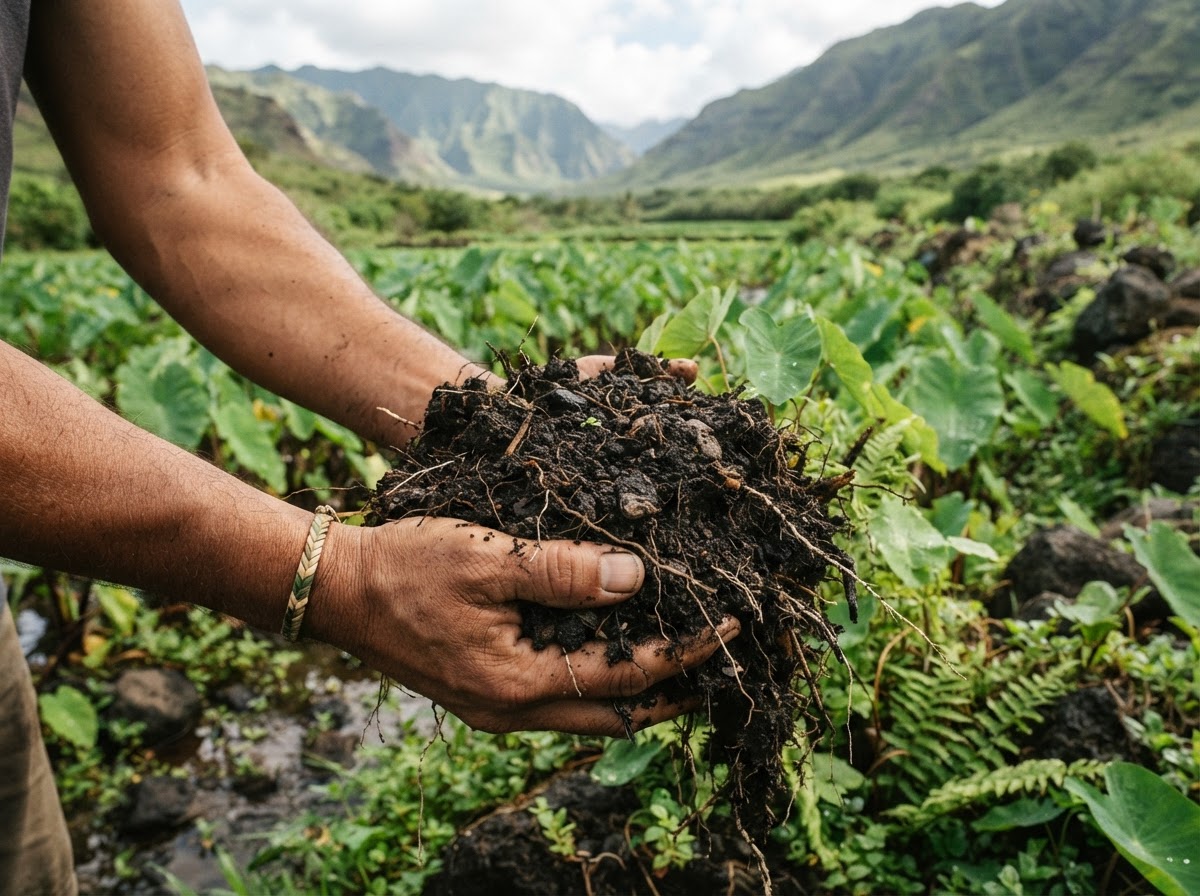
Soil Restoration
Soil is the living foundation beneath everything. Healthy soil holds water, grows food, and anchors roots. Where it has been compacted, eroded, or depleted, restoring organic matter and cover can begin to rebuild what was lost — slowly, over seasons.
Future Project Area
Future project area: cover and compost trials, erosion control, and regenerative practices on working lands to rebuild soil health over time.
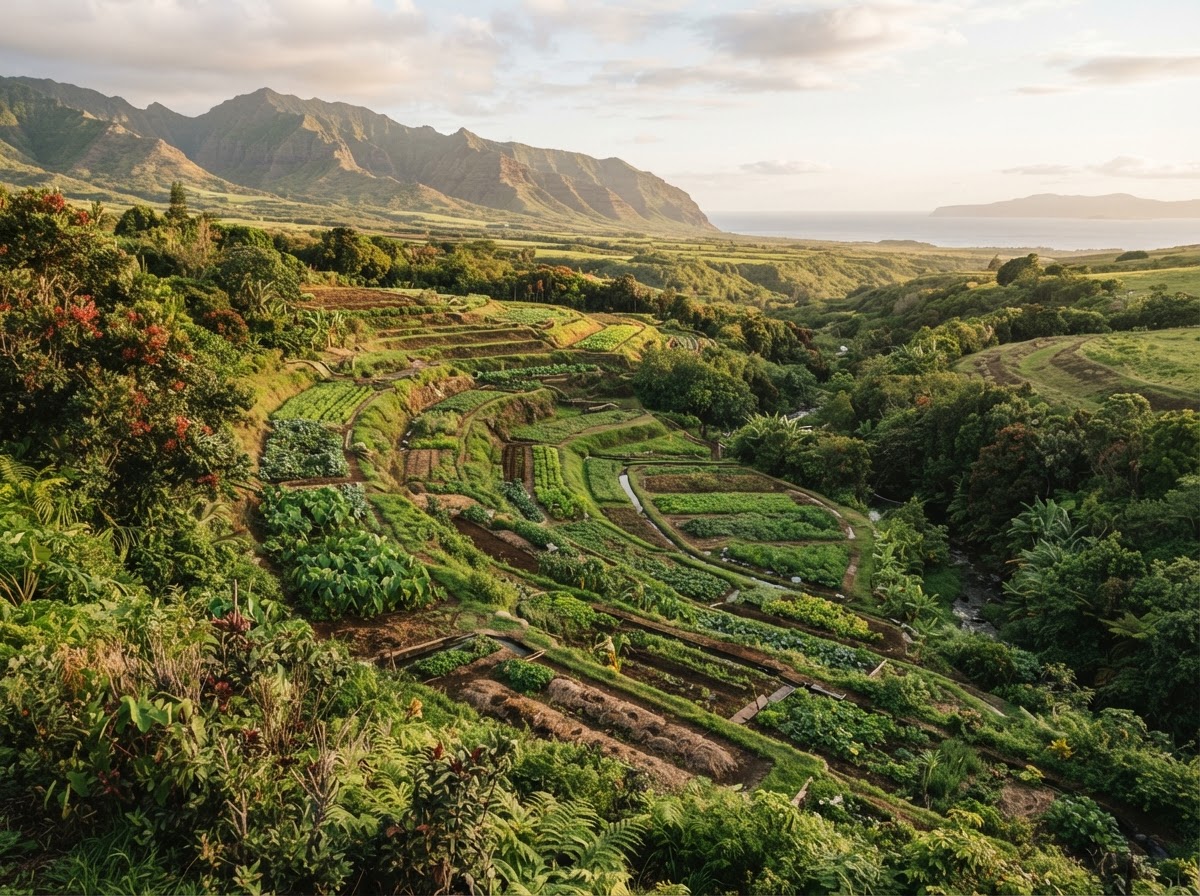
Sustainable Land Management
Sustainable land management means using land in ways that meet today's needs without borrowing from tomorrow. It balances agriculture, restoration, access, and protection — and treats the whole landscape as one connected system rather than separate parcels.
Future Project Area
Future project area: integrated land-use planning that aligns agriculture, restoration, and protection across connected slopes and valleys.
“Stewardship is not a single project. It is a responsibility carried from one generation to the next.”
Each of these seven areas is part of one continuous responsibility — one that does not end with a single planting, a single season, or a single generation.
Principles of Stewardship
How decisions get made
The way decisions are made matters as much as the decisions themselves. These principles guide how stewardship choices are approached.
Community first
Those who live on and depend on the land lead its care.
Science + tradition
Modern conservation science is paired with traditional knowledge and practice.
Long-term thinking
Every choice is measured against its impact on future generations.
Transparency
Plans, data, and decisions are shared openly with the community.
Stewardship is a shared responsibility
We invite residents, practitioners, and partners to help shape how these lands are cared for. Explore the restoration work already being imagined, or find a way to take part.
Important Notice
The stewardship areas and future project areas described here are informational and aspirational. They are not promises or guarantees that any specific project will occur. This is a proposed long-term community stewardship and acquisition initiative currently under development. No public financial participation program is currently being offered.